California’s potential to lead a national Democratic comeback was on full display as party leaders from across the country recently gathered in downtown Los Angeles. The state has long been seen as a progressive stronghold, but its role in shaping the future of the Democratic Party remains a topic of debate.
A State of Contradictions
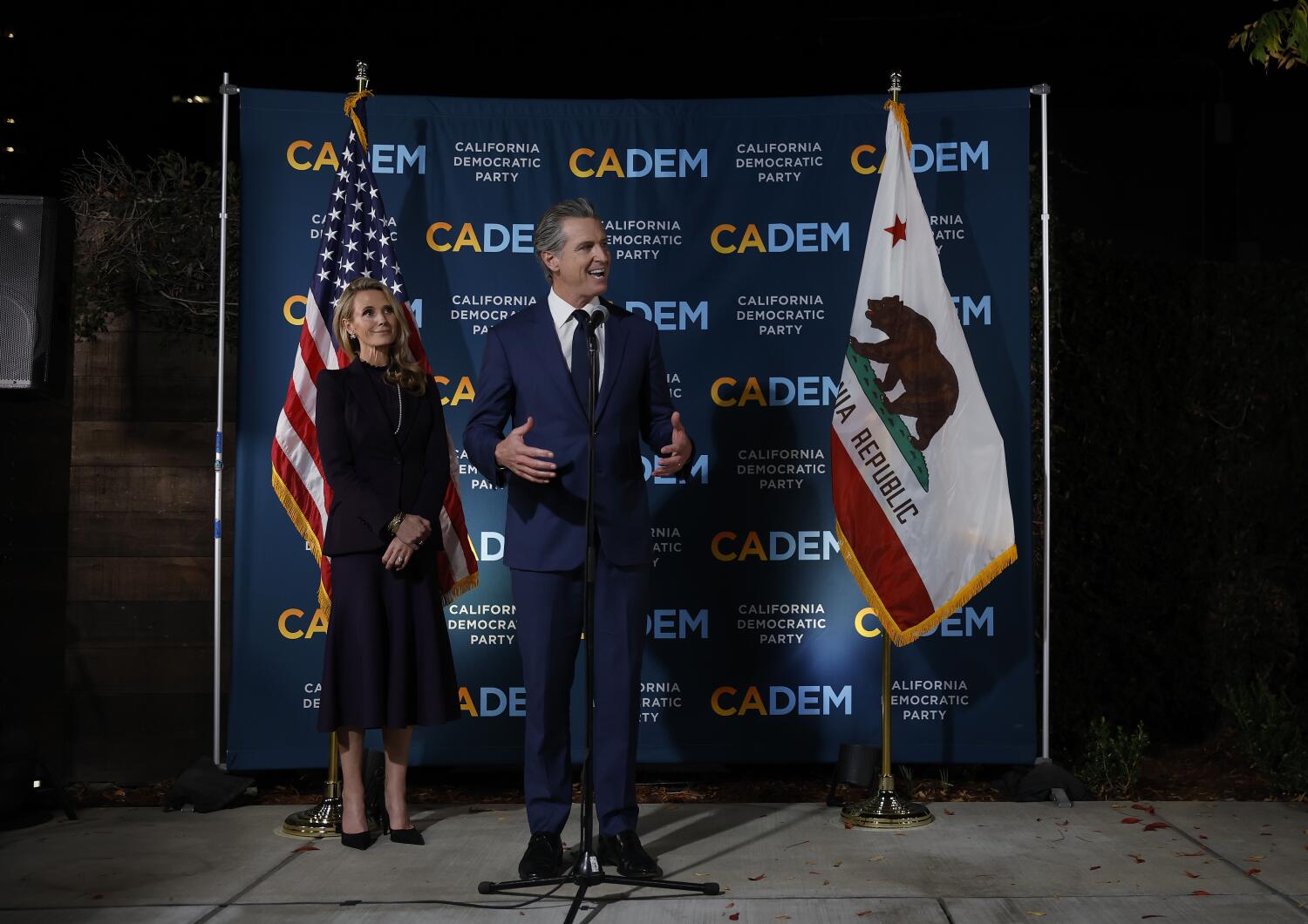
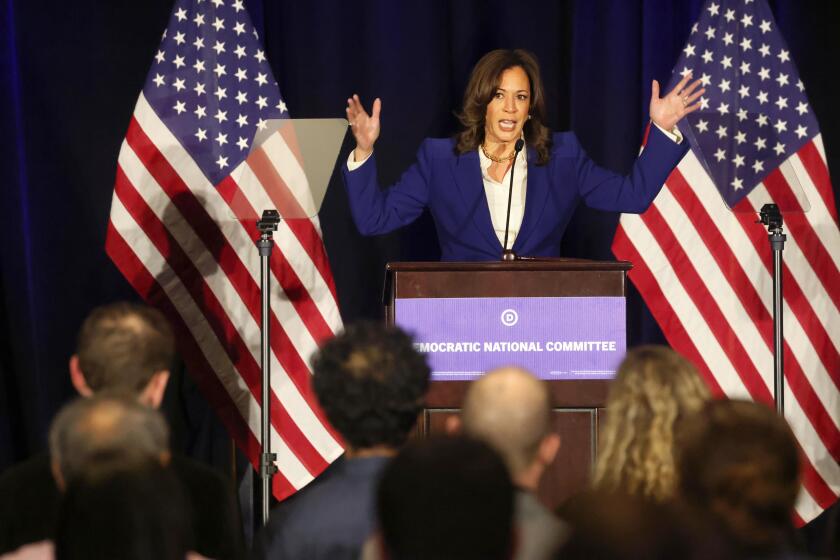
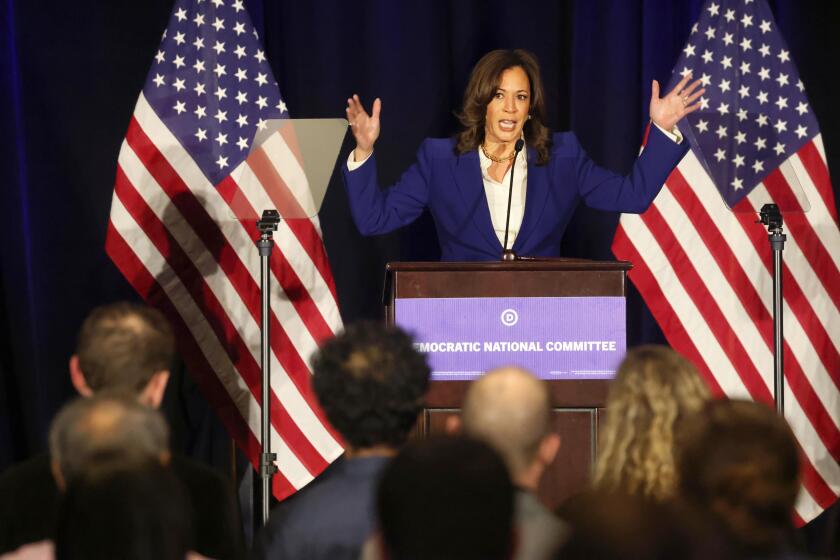
The Democratic National Committee meeting brought together some of the most prominent Democrats in the state, including former Vice President Kamala Harris and Gov. Gavin Newsom. Their presence highlighted both the opportunities and challenges California presents for the party. Harris, who failed to defeat Donald Trump in the 2024 presidential race, is now considered a top contender for the 2028 election. Meanwhile, Newsom, a vocal critic of Trump, is also being eyed as a potential candidate for the presidency.
California’s policies on issues such as healthcare, immigration, and LGBTQ+ rights continue to polarize the electorate. These policies are seen as a beacon of hope for progressives, but they also serve as a target for Republican criticism. As Elizabeth Ashford, a veteran Democratic strategist, put it: “California is like your cool cousin that comes for the holidays who is intriguing and glamorous, but who might not fit in with the family year-round.”
Economic Powerhouse or Dystopian Hellhole?
Newsom often points to California’s economic strength, highlighting its status as the world’s fourth-largest economy and home to Silicon Valley and Hollywood. However, critics, including Trump, paint a different picture, describing the state as a “dystopian hellhole” plagued by homelessness, high taxes, and an unaffordable cost of living.
Only two Californians have ever been elected president—Ronald Reagan and Richard Nixon. But with Harris and Newsom considering bids for the White House in 2028, the state may be poised to make a return to the national stage. Both candidates seized the opportunity to court party leaders and activists during the three-day DNC meeting.
Harris emphasized the need for the party to move beyond nostalgia and address the failures of the current system. She acknowledged the challenges faced by Americans, particularly regarding affordability and healthcare costs, while urging the party to reflect on its future direction.
The Role of California in the Midterms
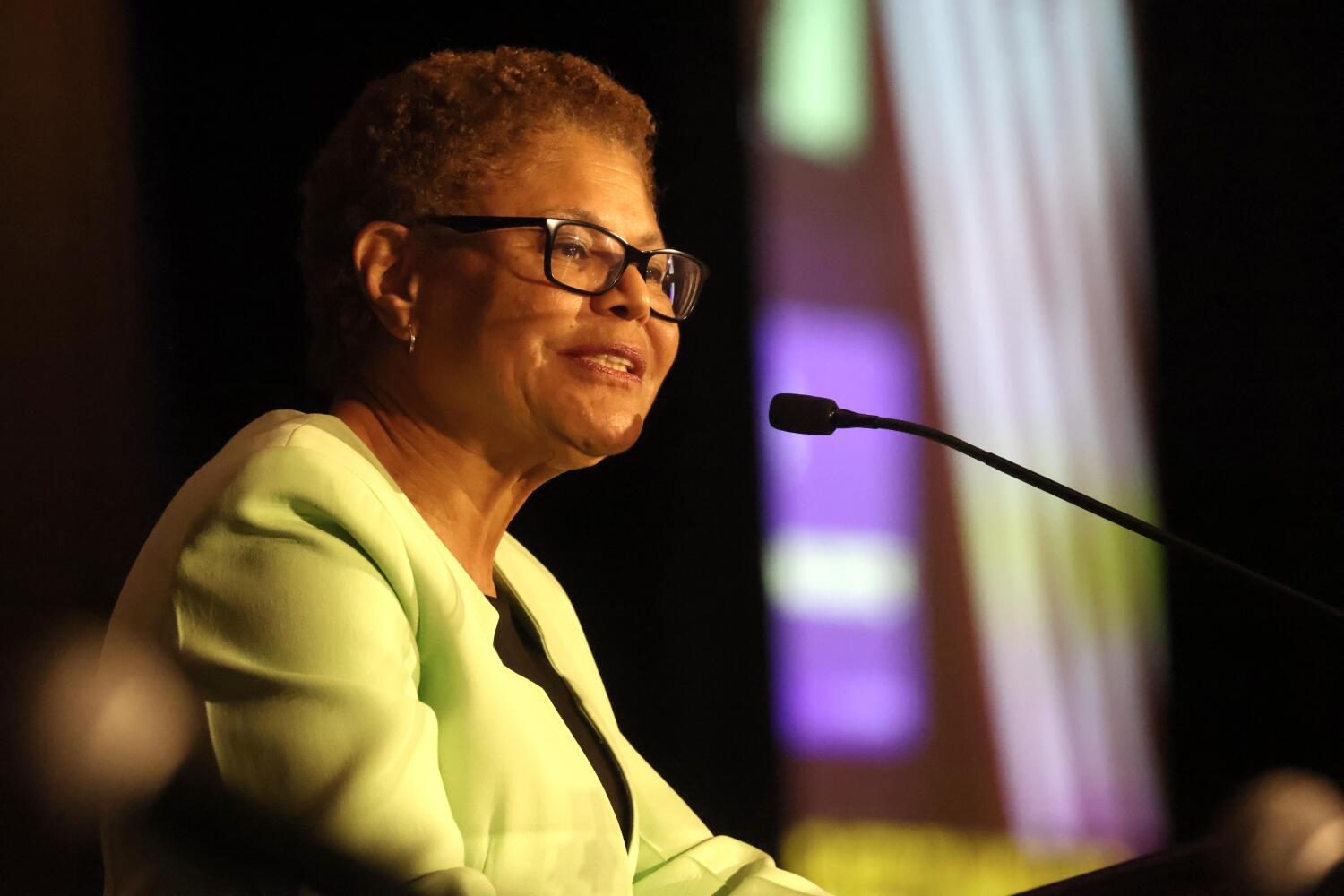
The recent approval of Proposition 50, which redrew congressional districts to boost the number of Democrats in California, has made the state a key battleground in the 2026 elections. Los Angeles Mayor Karen Bass reminded attendees that Democrats regained control of the U.S. House during Trump’s first term and predicted that California would play a critical role in the upcoming midterms.
Newsom, who championed Proposition 50, expressed optimism about the state’s political future. He noted that Democrats have won races in New Jersey and Virginia, signaling growing dissatisfaction with Trump and Republican leadership.
Bridging Divides
Despite the political polarization, some party leaders see hope in Newsom’s ability to bring people together. Louisiana committee member Katie Darling praised his efforts to engage with Republicans, even if it means navigating difficult conversations with family members who hold opposing views.
However, Newsom’s approach is not without controversy. His podcast has drawn criticism for featuring guests like Charlie Kirk and making comments on transgender athletes, which have sparked outrage among some on the left.
The Influence of Wealthy Donors
California’s political influence is also driven by its wealth. The state was the largest source of contributions to the campaign committees of both Trump and Harris during the 2024 presidential contest, providing nearly a quarter of a billion dollars in support.
While the DNC meeting focused on internal business, it also attracted liberal groups seeking to raise money and draw attention to their causes. Events such as one hosted by Jane Fonda and Nikki Glaser aimed to increase the minimum wage, reflecting the state’s progressive agenda.
A Double-Edged Sword
California’s liberal policies, however, have also been viewed as a liability for Democrats in other parts of the country. Issues such as transgender rights and healthcare for undocumented immigrants have not resonated with some blue-collar voters who once formed the party’s base. Trump capitalized on this disconnect in the 2024 election, using ads that criticized Harris’ support for transgender rights.
John Podesta, a veteran Democratic strategist, argued that the party’s broader issue lies in losing touch with the middle class and poor, rather than California specifically. He described the party as shifting from being the “party of the factory floor” to the “party of the faculty lounge.”
A Vision for the Future
Despite these challenges, Newsom and other committee members argue that California is leading the nation in policy innovation. From low-priced insulin to higher minimum wages, the state continues to push forward initiatives that could shape the future of the Democratic Party.
“I am very proud of California,” Newsom said, emphasizing the state’s commitment to inclusion and progress. He pointed to a list of California initiatives that promote not just promise, but policy direction that he believes is essential for the party.