
Charlie Kirk’s Legacy and the Path Forward
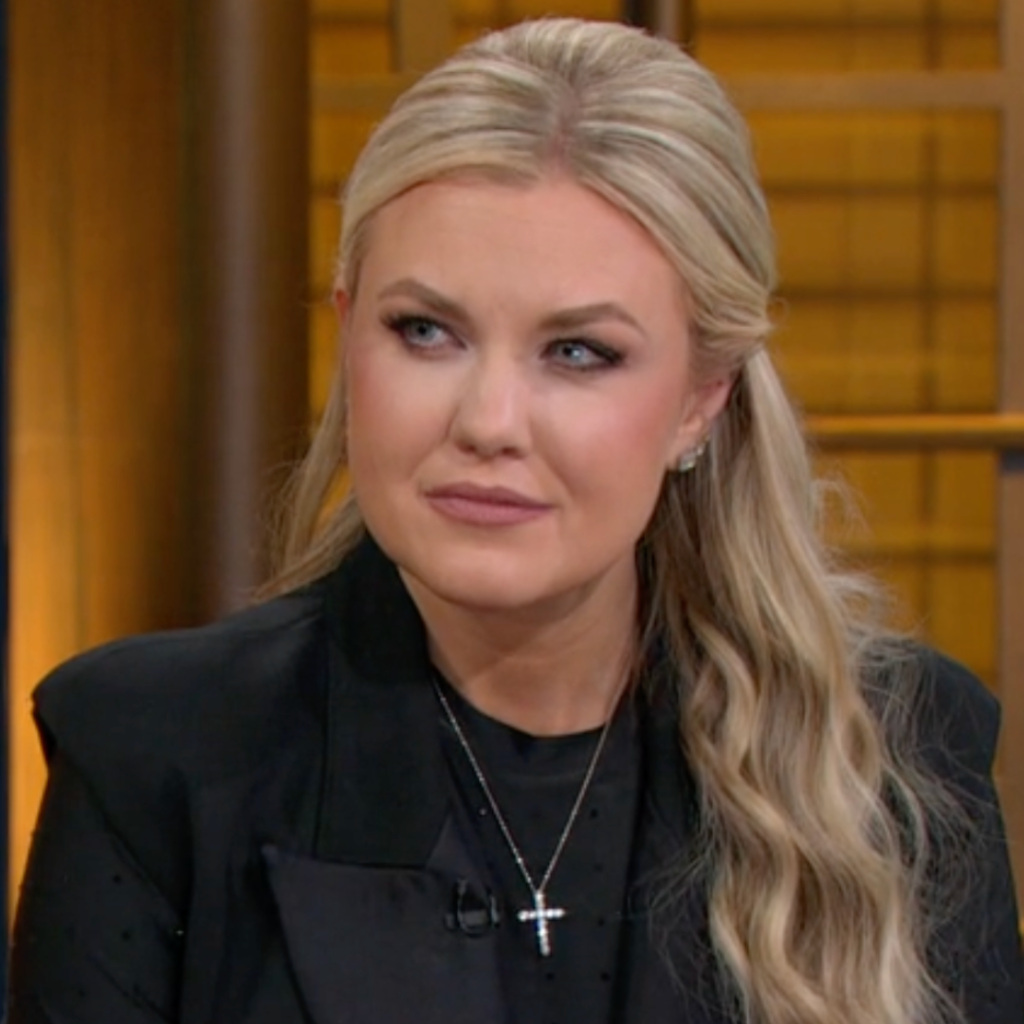
Charlie Kirk, a prominent figure on the American right, left an indelible mark through his nonprofit organization, Turning Point USA. His life was tragically cut short three months ago during an on-campus event in Utah. Now, his widow, Erika Kirk, who has taken over leadership of Turning Point USA, has become a central voice in discussions about her husband’s legacy, grief, and the broader issues of political discourse and violence.
At a recent town hall hosted by CBS News, Erika Kirk shared her thoughts with Bari Weiss, the editor-in-chief of CBS News. The discussion included insights from other notable participants, such as Hunter Kozak, a Utah Valley University student who had the last conversation with Charlie Kirk, and Robert Milgrim, the father of Sarah Milgrim, an Israeli Embassy staffer who was shot and killed in May.
Confronting Grief and Defending Her Husband’s Legacy
Erika Kirk addressed the issue of those who attempted to justify her husband’s assassination, delivering a powerful message that resonated deeply. She emphasized that no one should attempt to rationalize the murder of her husband, stating, “Tell that to my 3-year-old daughter.” Her words reflected the profound pain she and her family are experiencing.
She also criticized the dehumanizing effect of the internet, where people often reduce complex human beings to mere targets for hate. “He’s a human being. You think he deserved that? Tell that to my 3-year-old daughter,” she said, highlighting the need for empathy and understanding in public discourse.
Charlie Kirk’s Approach to Dialogue
Erika Kirk defended her late husband’s commitment to open dialogue, emphasizing that he never incited violence. Instead, he encouraged individuals of all political beliefs to engage in conversations. “He gave them a microphone. He didn’t take away a moment for them to speak back,” she explained, noting that the outcome of these interactions was tragic.
A recent poll highlighted the perception that “words can be violence,” but Erika Kirk maintained that her husband believed in the power of communication to foster change. She referenced his book, “Stop, in the Name of God: Why Honoring the Sabbath Will Transform Your Life,” which underscores the importance of inner peace in effective communication.
Context Matters: Revisiting Controversial Comments
Erika Kirk also spoke about the need for context when interpreting her husband’s controversial statements. She expressed frustration that some of his comments were taken out of context, leading to misinterpretations. “My husband is not to be deteriorated to two sentences,” she said, emphasizing that his views were nuanced and multifaceted.
She urged people to watch the full clips rather than focusing on isolated quotes. “There’s a lot more there than just that one little sentence,” she added, stressing that her husband valued excellence and hard work above all else.
Addressing Political Rhetoric and Antisemitism
During the town hall, Hunter Kozak, who had debated Charlie Kirk before his death, asked Erika Kirk whether she would condemn the violent rhetoric of Donald Trump. While she did not mention Trump directly, she emphasized that the issue runs deeper than any single individual. “It starts at the home,” she said, urging parents to reflect on their role in shaping their children’s values.
Robert Milgrim, whose daughter was killed in a shooting, asked Erika Kirk to condemn antisemitism. She responded with a clear stance against hate, stating, “Hate is hate. It’s evil.” She recalled how her husband consistently stood against antisemitism, calling it “brain rot.”
A Message to Candace Owens
Erika Kirk also addressed Candace Owens, a former colleague who has spread conspiracy theories about her husband’s assassination. In response, she simply said, “Stop. That’s it. That’s all I have to say. Stop.” This statement underscored her determination to focus on healing and moving forward rather than engaging in further conflict.
The Power of Forgiveness
One of the most poignant moments of the town hall was Erika Kirk’s reflection on her decision to forgive the man accused of her husband’s murder. “I forgive him because it’s what Christ did and is what Charlie would do,” she said, describing it as a “game-time decision” made in the moment.
She emphasized that forgiveness does not mean forgetting or condoning, but rather releasing herself from the grip of hatred. “We serve a just God,” she said, expressing confidence in divine justice while acknowledging the need for accountability.
In conclusion, Erika Kirk’s journey reflects a deep commitment to her husband’s legacy, a dedication to fostering dialogue, and a resolve to confront the challenges facing society today. Her words offer a powerful reminder of the importance of empathy, understanding, and the pursuit of peace in an increasingly divided world.