
The Resurgence of the “R-Word” in Political Discourse
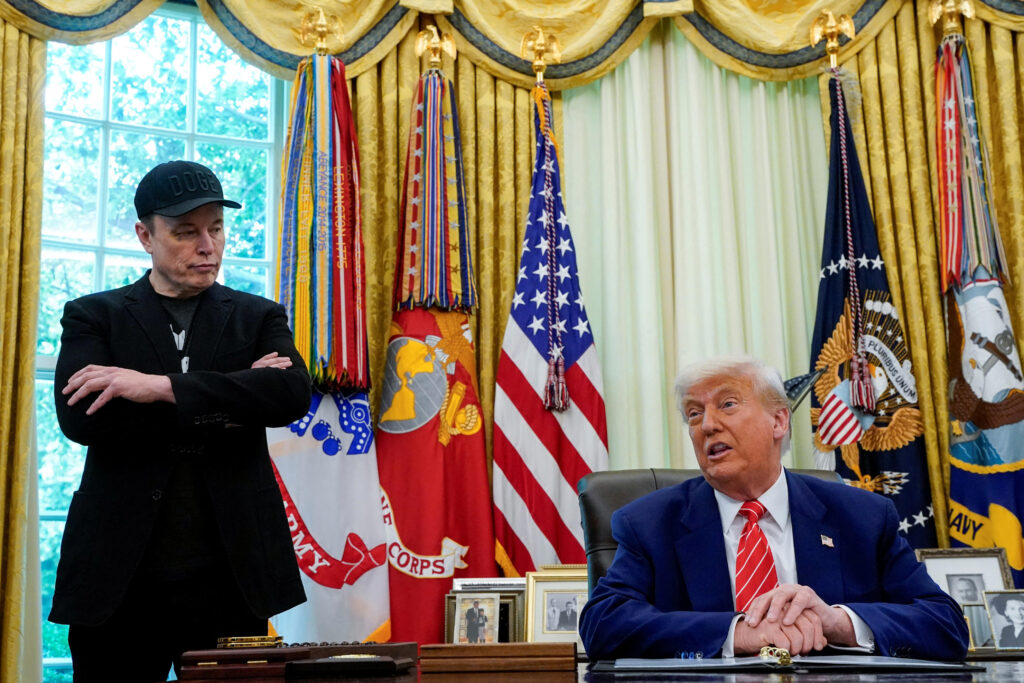
President Donald Trump’s rhetoric has increasingly taken on a more inflammatory tone in recent weeks, with notable examples such as his remark to a female reporter in November where he told her “quiet, piggy.” This comes amid declining poll numbers for the former president. At a rally in rural Pennsylvania on December 9, Trump admitted to using the phrase “s—hole countries” in 2018 to describe Haiti and several African nations after initially denying it seven years earlier.
The use of the so-called “r-word,” once widely used to describe people with intellectual disabilities, is being revived by Trump and his allies. This term, which many argue has evolved into a slur, has seen a resurgence in political discourse. The most recent example came on Thanksgiving Day when Trump posted on social media calling Minnesota Governor Tim Walz, a former Democratic vice presidential nominee, “seriously r—–ed” for opposing his administration’s immigration crackdown.
Some of Trump’s supporters have always embraced his abrasive language, seeing it as a way to energize the Make America Great Again base or to provoke opponents. Angelo Carusone, president of Media Matters for America, noted that while traditional media programming may not have fully embraced this shift, audiences have become more accepting of such language outside of conservative circles.
However, the use of the term is not always politically advantageous for Trump and his allies. In one instance, an Indiana Republican lawmaker said Trump’s comments influenced his decision to vote against Trump’s redistricting plan ahead of the 2026 elections.
The Special Olympics, the world’s largest sports organization for children and adults with intellectual disabilities, urged people to stop using the r-word, stating: “Let’s #ChooseToInclude and stop using the r-word, today and always.”
A Cultural Shift Driven by the Political Right
For some of Trump’s most ardent supporters, using the term is a principled stand against what they call “cultural Marxism” being imposed on the country by progressives. Mark Meckler, a political activist and former CEO of Parler, argued during a livestream program that the term “r—-d” is simply descriptive and should not be considered offensive.
Ironically, “mental retardation” was first used by mental health professionals in the late 19th century as a diagnostic term meant to replace more offensive labels like “feeble-minded.” Even as late as the 1980s, organizations such as The Arc still used the term in their official names and public service announcements featuring celebrities.
Calls to retire the term increased as it became colloquially used as an insult for people who do not have developmental disabilities. Advocacy groups changed their names and launched initiatives such as the “Spread the Word to End the Word.” In 2010, Congress passed “Rosa’s Law,” making “intellectual disability” the correct term under federal law. The Supreme Court followed suit in 2014, using the term in a landmark death penalty case.
The R-Word Makes a Comeback
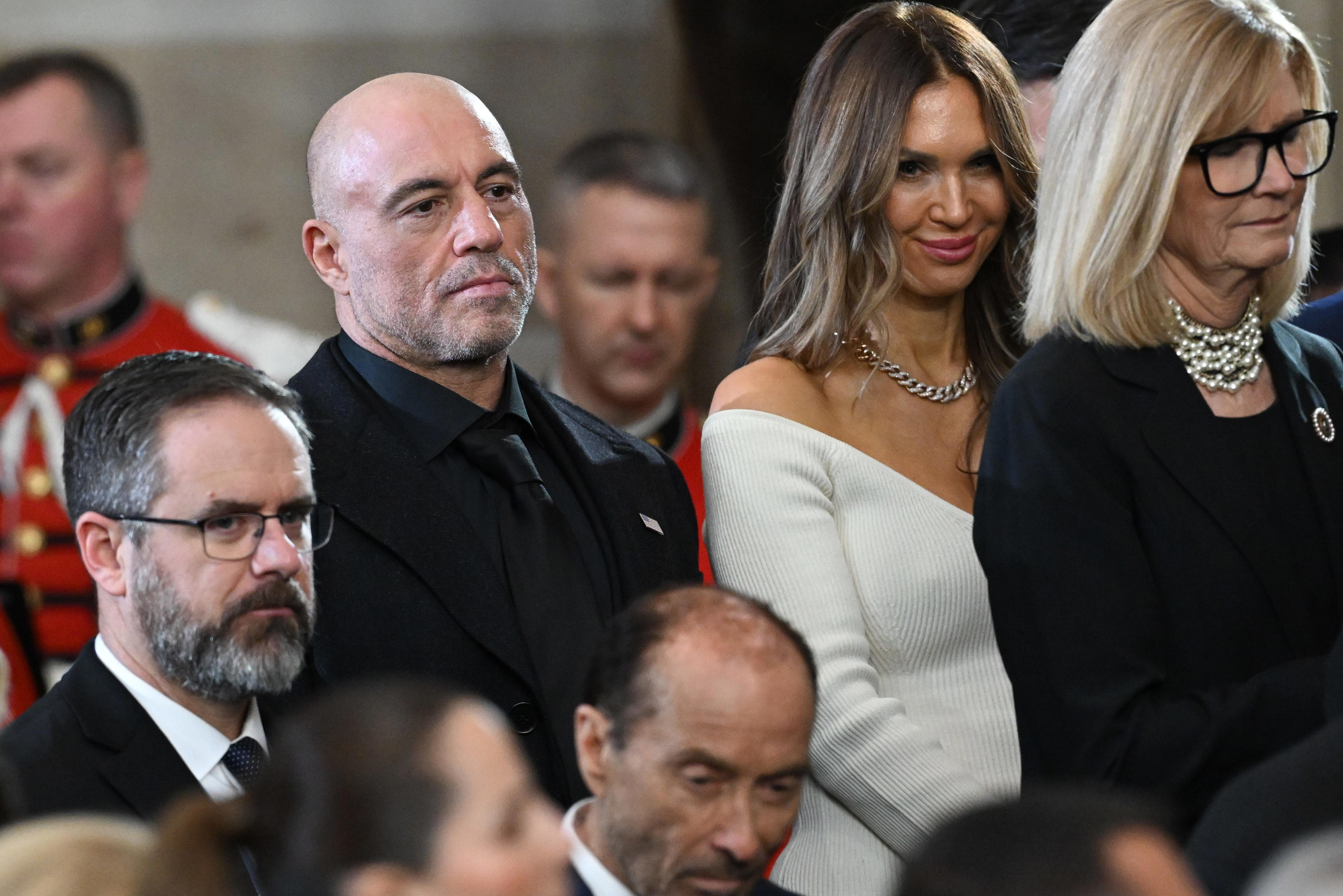
Trump’s return to using the term has heralded a reversal of what MAGA activists and other conservatives described as a hyper-sensitive “cancel culture.” Over the last year, the r-word has made a resurgence, appearing unapologetically in places like Joe Rogan’s podcast, Elon Musk’s social media posts, and Trump’s statements.
“The word ‘r—–ed’ is back and it’s one of the great culture victories,” Rogan said in an April episode of his popular podcast, which has over 20 million subscribers on YouTube.
Media Matters reported an uptick in the use of the words “r—-d” or “r—–ed” on Fox News, from eight mentions in 2024 to 23 in 2025. The most frequent offender was the show “Gutfeld!” hosted by Greg Gutfeld, a conservative political commentator and comedian. The show mentioned the words 17 times in 2025, compared to three in 2024. Gutfeld claimed that the term is now acceptable.
Trump’s History with the Term
Trump’s statements aimed at Walz are not the first time he has used the term to slam a rival. He has used it against Democrats and even fellow Republicans. During the 2024 presidential election, he reportedly referred to former Vice President Kamala Harris in the same way. In his 2018 book, “Fear: Trump in the White House,” journalist Bob Woodward wrote that Trump used the term to mock his own attorney general, Jeff Sessions, a former Republican senator whom he later fired.
While many MAGA-aligned celebrities and activists support the term’s revival, there have long been social conservatives who object to its use. When former Obama White House chief of staff Rahm Emanuel used the r-word to describe liberal activists in 2010, former Alaska Gov. Sarah Palin, whose son has Down Syndrome, called for his resignation.
More recently, in Indiana, state GOP legislators rejected a proposed map creating two new heavily red-leaning districts as part of Trump’s larger redistricting war. One of the first Republicans to speak against the proposal was state Sen. Mike Bohacek, who noted that his daughter has Down Syndrome.
Diverse Reactions Within the Conservative Movement
Podcast host Brad Polumbo, a right-leaning political commentator, voiced support for some of the administration’s more conservative social positions, such as halting medical treatment for transgender inmates. However, in a December post on X, the 27-year-old activist criticized Trump’s use of the slur.
“I really hate the president using ‘r—-d’ as an insult,” Polumbo said. “Most of the time, I agree with just telling ‘offended’ groups to get over it. But there are thousands upon thousands of special-needs Americans who will be genuinely hurt by this and feel that the president is putting them down by using the r-word as an insult.”
Will Creeley, legal director for the Foundation for Individual Rights and Expression (FIRE), a libertarian-leaning free speech group, noted that the debate about evolving language often reflects shifting societal norms and power dynamics.
“The interesting thing about word policing is that it’s a function of power, and whoever is wearing the proverbial boots at the time,” he said.
After the assassination of conservative activist Charlie Kirk, many conservatives, including prominent officials in the Trump administration, were outraged at critical comments about Kirk and wanted offenders to lose their employment.
Liberals argue that Trump’s attitudes toward Americans with disabilities are hurting more than just feelings. In March, the Trump administration withdrew 11 guidelines under the Americans with Disabilities Act. Disability rights advocates say that will harm accessibility and services for people with disabilities.
“When they came back into office, for some reason, this word and the use of it again was bottled up. It clearly is symbolic,” Carusone said. “It is an indication that woke is dead, that they’re back and that they have cultural dominance. We’re dealing with that now.”
Contributing: Kinsey Crowley